Unveiling the Future EU Sustainable Alcohol-Free Spirits
In recent years the European Union (EU) has seen a dramatic change in the spirit industry. The shift in the industry is underwayaEUR”one that speaks to the changing tastes, preferences, and ethical choices of consumers. As the EU embraces sustainability and more consumers seek alternatives to traditional alcohol drinks growing demand for sustainable alcohol-free spirits has been hailed as an exciting trend. In this piece, we go on a journey to explore this fascinating trend.
The Rise of Sustainable Spirits in the EU
Recent developments in the EU’s alcohol Market
The landscape of the market for alcohol in the EU is undergoing an amazing transformation. Traditionally, alcoholic beverages have always been at the forefront of European cultures, with wine beer, spirits, and wine being a staple of social gatherings and meals. However, in recent years, an interesting trend has emergedaEUR”consumers are becoming more conscious of their choices.
The EU alcohol market, once typically characterized by the drinking of alcoholic drinks, is currently undergoing a transition towards sustainable, healthier with alcohol-free choices. The demand for conscious consumption in the wake of health issues along with social responsibility and environmental awareness, has given rise to an entirely new world of spiritsaEUR”the alcohol-free and sustainable kind.
The rapid growth of alcohol-free Spirits
At the forefront of this new trend are innovative brands who have observed the shift in consumer preferences. These companies that are forward-thinking have come up with a range of alcohol free spirits that not only provide a healthier alternative to traditional alcoholic beverages, but also prioritize sustainability.
The rise of alcohol-free spirits mark a major change from past. These spirits, without alcohol but with a plethora of flavour can recreate the flavor of traditional drinks with no intoxicating effects. Although the idea of alcohol-free spirits doesn’t seem to be completely new, the focus on sustainability and ecological responsibility is a new and crucial development.
The article will delves into this exciting field, looking at the environmental impacts of traditional alcohol production and how sustainability is being integrated into the production for alcohol-free spirits. In the next section, we will examine the fascinating process of making these beverages, from sourcing ingredients to environmentally friendly production processes and sustainable packaging and distribution.
Therefore, let’s start our journey together and explore the ways in which EU sustainable spirits without alcohol are paving the way to a sustainable and more conscious future. In the next chapter this article, we’ll be looking at the environmental impact of traditional production of alcohol as well as the reasons that are driving consumers to choose more sustainable options.
Read more: The environmental Impact of Traditional Alcohol Production
Keywords: EU sustainably produced alcohol-free spirits market for alcohol in the EU, sustainable spirits, alcohol-free alternatives in mindful consumption, eco consciousness, sustainable and alcohol-free spirits, sustainability in spirit-free alcohol, new brands the environmental impact of traditional alcohol production, sustainable alternatives.
Quality in Quantity: Purchase Alcohol-Free Spirits Directly from Swedish Distillers!
The Environmental Impact of Traditional Alcohol Production
When people think of manufacturing alcohol, the image which comes to mind is idyllic vintage breweries, majestic vineyards, or elegant distilleries. Although these images may evoke style and character but they also hide the environmental impacts of alcohol production. In this section, we’ll delve into the environmental effects of traditional alcohol production methods and how they have resulted in the increased demands for alternatives that are sustainable.
Invisible Costs to Traditional Alcohol Production
Traditional methods of making alcohol have been practiced for hundreds of years, often passed down through generations. They typically involve the cultivation of certain crops (such as grains, grapes, or sugarcane) in addition to distillation, fermentation ageing, and bottling. Although these methods may appear unnatural, they have serious ecological consequences:
1. Resource Intensity
a. Land Use
Traditional production of alcohol typically requires vast expanses of land to cultivate. For the production of agricultural crops such as grain or grapes needs significant areas of land, which could instead be used for other and sustainable uses.
b. Consumption of Water
The production of alcohol-based beverages is typically water-intensive. From irrigating the crops to actual fermentation and distillation process, huge amounts of water are consumed. This presents challenges for regions in which water scarcity is an urgent issue.
2. Energy Consumption
Traditional methods of aging and distillation are demanding on energy. Utilizing fossil fuels to power distillery operations adds to greenhouse gas emissions and contributes to climate change. Also, the aging of spirits in wooden barrels require large storage facilities, usually that require temperature control and additional energy use.
3. Chemical Usage
Pesticides and fertilizers are typically employed in agriculture to safeguard crops and boost yields. The runoff of chemical compounds from conventional farming practices can lead to the degradation of soils and water quality harming ecosystems, as well as the health of human beings.
A Shift Towards Sustainable Alternatives
As the concerns over global warming, resource depletion and environmental degradation mount the public is becoming more and more discerning. They’re looking for products that reflect their values of environmental sustainability and accountability. This shift in consumer tastes has opened the way to sustainable alternatives, including alcohol-free spirits.
In the next segment in the next section, we’ll explore what the process of producing EU sustainable alcohol-free spirits is revolutionizing its environmental footprint. From the most innovative sourcing practices to sustainable production processes these new methods are setting a new standard of sustainability in the world of spirits.
Continue reading: Sustainability in EU Alcohol-Free Spirits
Keywords: ecological impact caused by alcohol production and traditional methods of alcohol production as well as the impact of resource use in alcohol production, the use of land in the production of alcohol for water use during production of alcohol, energy consumption during production of alcohol, chemical usage in the production of alcohol eco-friendly alternatives, climate change, environmental degradation, consumer preference for sustainability in alcohol-free spirit.
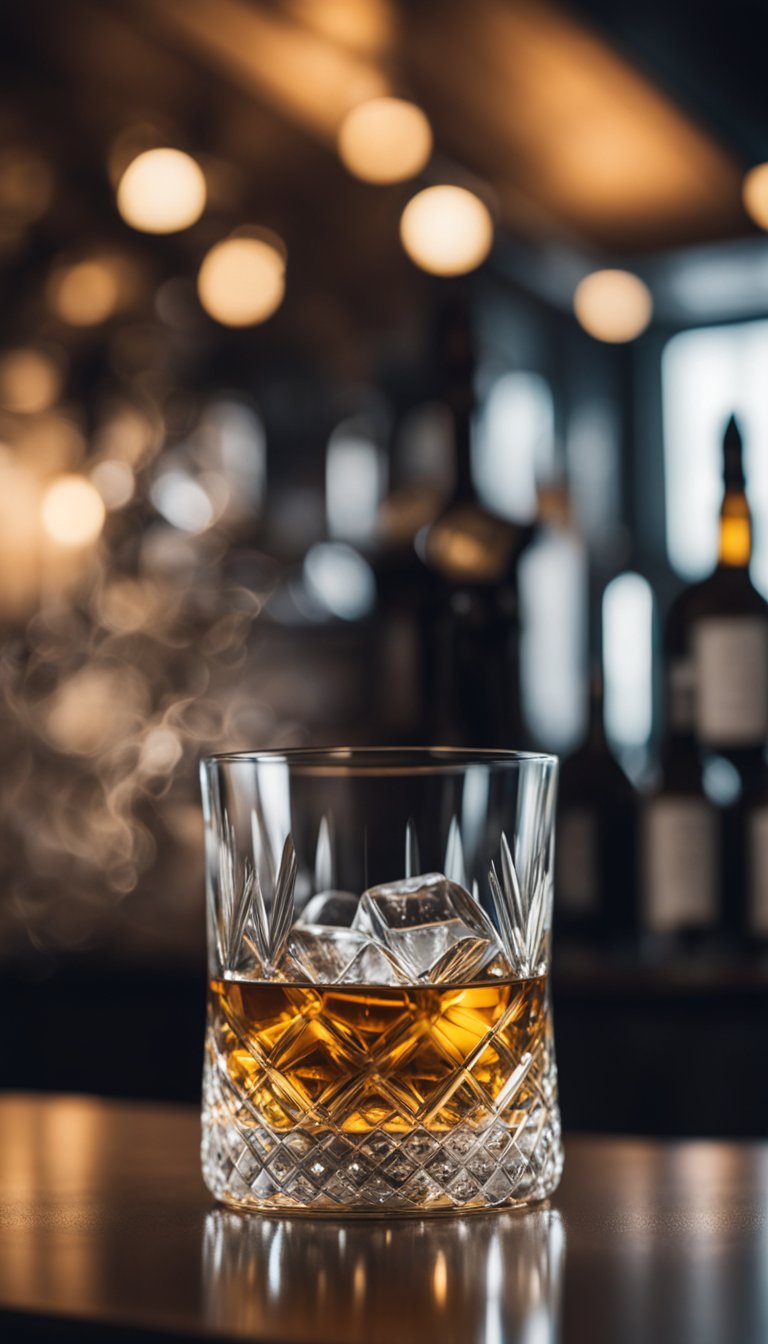
Sustainable and Alcohol-Free Spirits as a Greener Alternative
In the previous section in this series, we have examined the environmental impacts of traditional production of alcohol and the shift in consumer preferences toward sustainable. Let’s dig deeper into the realm of alcohol-free sustainable spirits and discover how they’re helping pave the way for a more green and more responsible future.
The birth of sustainable, alcohol-free Spirits
The concept of alcohol-free spirits might seem paradoxical at first glance. The fact is that spirits have long been associated with alcoholic content. However, creative and forward-thinking distilleries are challenging the perception by constructing alcohol-free alternatives, which reflect the spirit of traditional spirits, without the alcohol.
What are the most sustainable alcohol-free Spirits?
Sustainable spirits with no alcohol, often called “spirits alternatives,” are drinks that resemble the flavors, aromas, and complexity of traditional spirits but have no alcohol at all. They are made using mixtures of botanicals herbs, spices, as well as other natural ingredients, which are carefully chosen to create an exceptional sensory experience.
The Environmental Benefits
1. Reduced Land and Water Footprint
One of the most significant environmental benefits associated with sustainable alcohol-free spirits is their smaller environmental footprint, both in terms of land and water. In contrast to traditional production of alcohol, which requires a large amount of land and water for crop cultivation and transportation, alternatives to spirits typically source their ingredients more efficiently. That means less resources are consumed, freeing space and water for other uses that are sustainable.
2. Lower Energy Consumption
Producing alcohol-free spirits usually uses less energy contrasted to traditional distillation, and ageing. This results in a lower carbon footprint and decreased the emission of greenhouse gases. While the world wrestles with the effects of climate changes, energy savings become increasingly vital.
3. Very little use of chemicals
The production of sustainable alcohol-free spirits is done by focusing on purity and sustainability. This means minimal or zero chemical ingredients, pesticides or fertilizers are employed in their production. By avoiding the dangerous chemicals typically used in traditional agriculture, these options contribute to healthier ecosystems and healthier water sources.
Supplying the Consumer
Consumers of today are more informed and aware of what they buy. They seek products that align with their ideals, such as sustainability and social responsibility. Sustainable alcohol-free spirits cater to this demand by offering environmentally friendly and guilt-free drinking experiences.
These products aren’t just used by those who avoid alcohol but also by individuals looking to lower their alcohol consumption, whether for social, health, or personal motives.
What’s to come
In the next part in the next section, we’ll examine some noteworthy EU distilleries and brands which have turned to sustainable alcohol free spirits. We’ll take a close take a look at their new approaches as well as their unique offerings and the impact they’re making in the spirit industry.
Keep reading Leading the Green Revolution: EU Sustainable Alcohol-Free Spirits Brands
Keywords: sustainably produced alcohol-free spirits alternatives to spirits. Environmental benefits, decreased land and water footprints, less power consumption, less chemical consumption, satisfying consumer demand, EU brands, distilleries Innovative approaches, leading an eco-friendly revolution.
Leading with Green Revolution: EU Sustainable Brands with Alcohol-Free Spirits
As consumers’ preferences continue to shift towards environmental sustainability Many European Union (EU) distilleries and brands are leading the way in the production of sustainable alcohol-free spirits. In this article we will take a look at some important EU brands and distilleries who have joined the green revolution and are making waves in the spirits sector.
The rise of EU-based Sustainable Alcohol-Free Spirits Brands
A commitment to sustainability
EU distilleries as well as brands enjoy a long-standing tradition of producing premium spirits. However, as the world is facing environmental issues, these entities are embracing their new mission: sustainability. They realize the need to reduce the carbon footprint of their operations, conserve natural resources, as well as promote sustainable consumption.
Innovative Approaches
In the pursuit of sustainability, EU brands are employing innovative strategies for alcohol-free spirit production. These practices include using locally sourced, organic ingredients, adopting energy-efficient production methods as well as implementing circular economy principles.
Important EU Sustainable Food and Drink Brands with Alcohol-Free Ingredients
1. Seedlip
-
Background Seedlip has been acknowledged as one of the pioneers of the sustainable alcohol free spirits movement. Since its inception in the United Kingdom, the brand has been recognized internationally for its innovative spirit solutions.
-
Sustainability Projects Seedlip puts a huge emphasis on sustainability. getting ingredients from local farms and using eco-friendly packaging. Additionally, they have launched initiatives to assist in the conservation of biodiversity.
2. Rutte
-
Background: Rutte, a Dutch distillery with a rich tradition that dates back to 1872, has introduced an alcohol-free selection with a focus on their traditional craft as well as embracing the concept of sustainability.
-
Sustainability Strategies: Rutte focuses on using natural ingredients and reducing waste in their production processes. They also participate in eco-friendly initiatives in their local neighborhood.
3. CalenIfo
-
Background CalenIfo Originating from Spain is renowned for its bright and tropically-inspired alcohol-free spirits. They are ideal for cocktails and social gatherings.
-
Sustainability Initiatives: CalenIfo believes in to ethically sourcing ingredients by promoting ethical labour practices, and minimizing the environmental impact of their products.
Implications for the Spirits Industry
These EU sustainable spirits with no alcohol are not only offering eco-friendly alternatives to standard spirits, but are is also driving change in the industry. As they gain popularity, other distilleries and brands are starting to notice and are beginning to adopt more sustainable practices.
The growth of these brands illustrates an increased awareness of environmental concerns as well as a desire to consume responsibly and sustainably in the minds of consumers. It’s clear that sustainability isn’t just a trend; it’s becoming a central aspect of the spirits industry’s future.
In the next part, we will take a closer analysis of the global impact of alcohol-free spirit that is sustainable and the role they play to shape the direction of beverage production.
Read more: Shaping the Future The Global Impact of Sustainable Alcohol-Free Spirits
Keywords: EU safe alcohol-free and sustainable spirits that are committed to sustainability innovative strategies, Seedlip, Rutte, CalenIfo’s impacts on the spirits industry responsible consumption, the future of the industry of beverages.
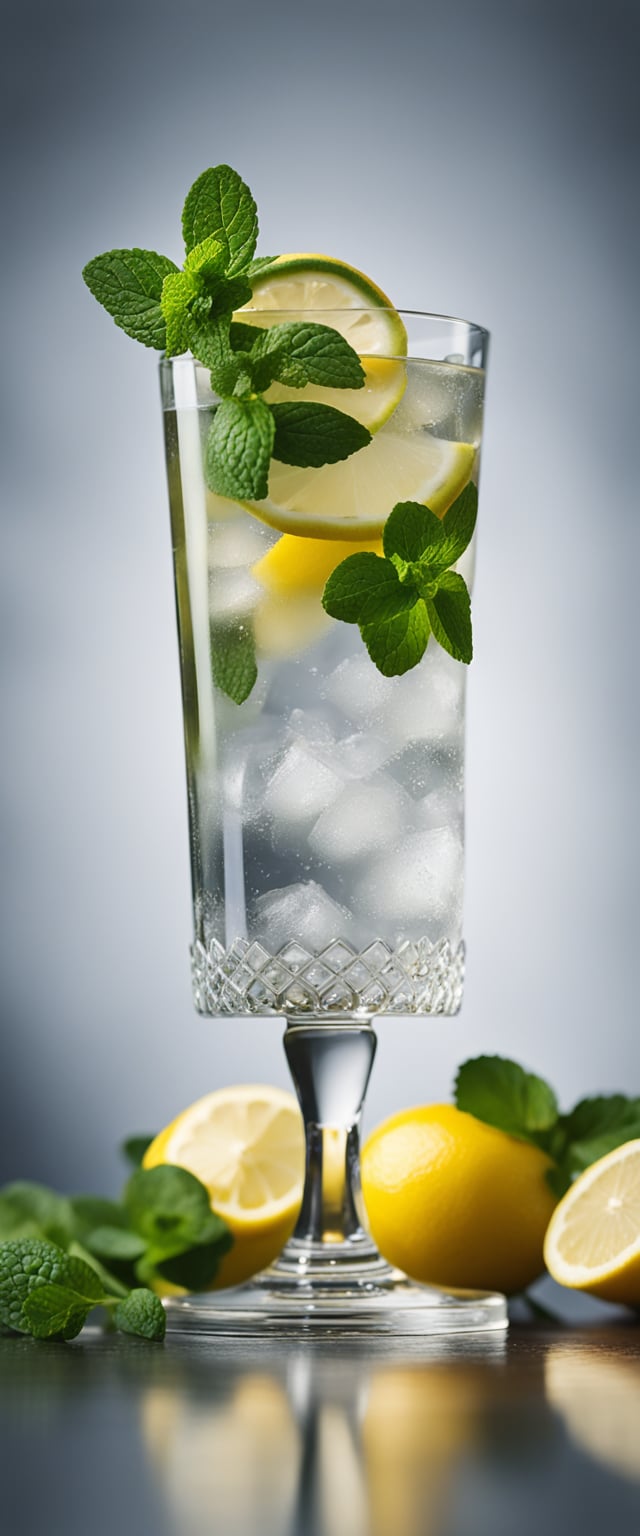
Redefining the Future The Global Effects of a Sustainable Alcohol-Free Spirit
In the earlier sections we started an exploration of the exciting world of sustainable alcohol-free spirits in the European Union (EU). In the previous sections, we explored the EU’s dedication towards sustainability, innovative methods as well as the notable EU brands leading an eco-friendly revolution. This is the final section, we broaden our scope to focus on the global impact of sustainable alcohol-free spirits and their role in shaping and defining the direction of our beverage sector.
A Worldwide Shift Towards Sustainability
A Global Phenomenon
The EU has been a pioneer in creating sustainable spirits without alcohol However, the movement is it’s not limited to its geographic borders. Across the globe, from North America to Asia, distilleries and brands are recognizing the importance of sustainability and environmental responsibility in spirits production.
Consumer Demand
One of those driving factors behind this global trend is the ever-growing demand from consumers to purchase sustainable and environmentally friendly products. The modern consumer is not just seeking quality in their drinks, but they also want sustainability. They want to make choices which align with their beliefs and help reduce their environmental impact.
Broadening Horizons Brands Beyond Borders
Beyond the EU
As we’ve explored in our previous sections we’ve seen that the EU includes several notable brands committed to sustainability. But we must not forget the importance of distilleries in other regions. Brands made in countries like United States, Canada, Australia as well as other Asian countries are creating progress in the eco-friendly alcohol-free spirits landscape.
Unique techniques and flavors
What sets these international brands apart are their distinctive regional flavor and production methods. For example, American brands may draw ideas from local herbs, while Asian distilleries typically infuse their products with traditional herbs and spices.
The impact in the Spirits Industry
The combined efforts of distilleries as well as brands across the globe are having a major impact in the spirit industry. Here’s how:
Awakening Change
The popularity and acceptance of brands that use alcohol-free, sustainable spirits are inducing traditional distilleries, as well as beverage companies, to rethink their strategies. We see an increasing number of industry leaders who are adopting environmentally friendly and sustainable production methods.
A Sustainable Future
sustainability isn’t a buzzword but a guiding principle for the industry’s future. From lessening carbon emissions to preserving the resources of water spirits producers are getting into their role as stewards the environment.
To conclude: A toast to Sustainability
In this series we’ve conducted a deep dive into the world’s best alcohol-free spirits, from their initial sources and innovative production methods in the past to famous EU and international brands. The experience has exposed the potential of sustainability within the spirits industry.
We raise our glasses to toast these remarkable advancements in spirits, we recognize that the spirit industry’s green revolution isn’t an unnoticed trend, but an entire paradigm change. It’s a shift towards a more sustainable, responsible and environmentally-friendly future for the beverages we enjoy most.
So while sipping one of the Seedlip cocktail in London as well as a Rutte influenced cocktail in Amsterdam, or sampling the tropical flavors offered by CalenIfo Madrid Be aware that your choice is a part of a greener more sustainable, healthier world.
We thank you for taking us on this educational journey into the world of sustainable alcohol-free spirits. In the final part of this series and move forward, let’s take the concept of sustainability forward and make conscious choices about the drinks we consume.
RECAP of the Series:
-
The Rise of Sustainable Spirits from the EU that are Alcohol-Free Brands
-
Sustainable Alcohol-Free Spirits: An International Perspective
-
Innovative Production Methods for sustainable, alcohol-free Spirits
-
Notable Brands within the Sustainable Alcohol-Free Spirits Movement
-
Revolutionizing the Future The Global Impact of Sustainable Alcohol-Free Spirits
